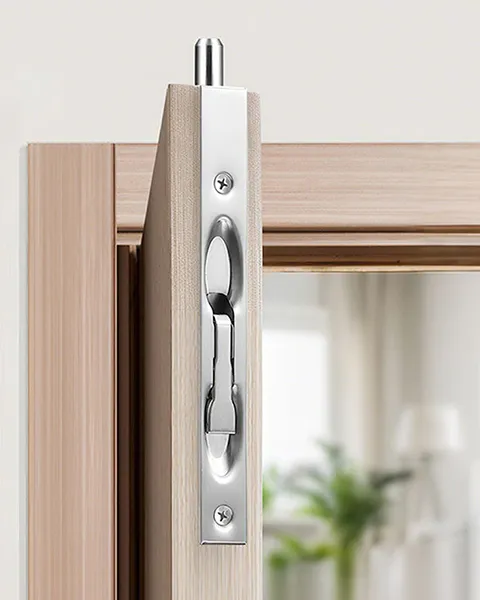














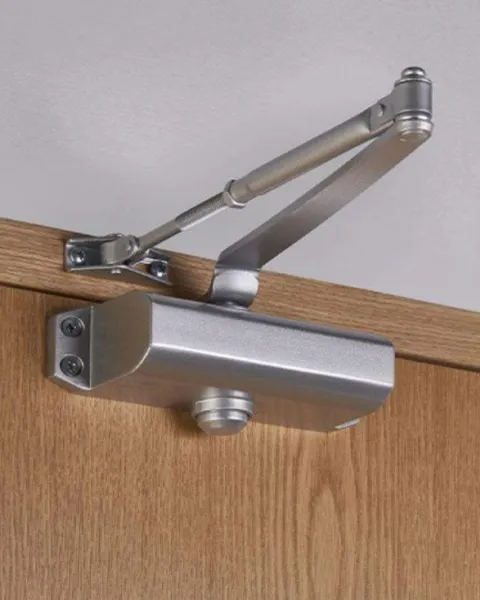
Empresa
16 October 2026
 10:30
10:30 Allen Wang | CEO and Founder, HIPAD
Updated: August 24, 2026
Choosing a wholesale hardware supplier is a portfolio, specification and supply decision. Distributors and project buyers need products that fit real door, window, glass, bathroom and sliding-system applications. They also need practical order quantities, controlled customization, consistent inspection, protective packaging and a clear route for repeat orders.
This checklist helps B2B buyers compare suppliers before requesting samples or placing a bulk order. It separates what can be checked from a catalog or published company information from what must be confirmed in drawings, samples, quotations and inspection records.
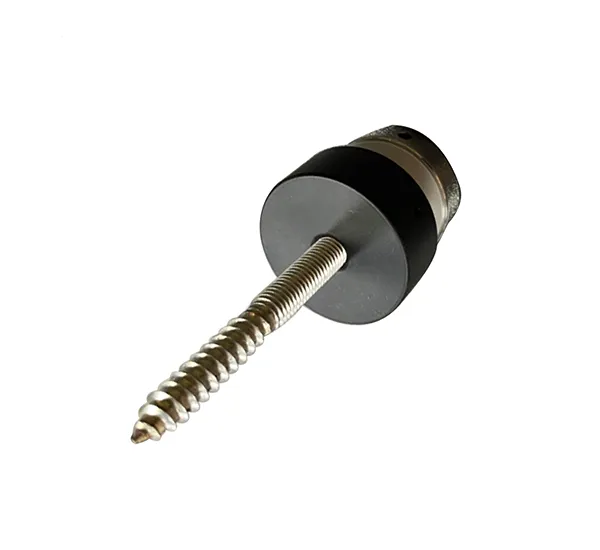
Begin with the categories your customers actually buy. HIPAD publishes door hardware, window hardware, bathroom hardware, stainless steel hardware, locks, handles, hinges, rollers, sliding systems and accessories. A supplier with broad coverage may reduce vendor count, but portfolio breadth is useful only when products can be specified and replenished consistently.
| Category | Buyer should check | Evidence to request |
|---|---|---|
| Herrajes para puertas y ventanas | Handles, locks, hinges, rollers, flush bolts, seals and fixings | Product families, drawings, compatibility notes and samples |
| Glass and bathroom hardware | Handles, hinges, clamps, patch fittings and accessories | Glass thickness, holes, gaskets, materials and finish samples |
| Sliding systems | Tracks, rollers, brackets, guides, stops and adjustment | Track interface, door weight review and assembly drawing |
| Project accessories | Weather strips, waterproof strips, screws, pins and tools | Profile, material, dimensions, packaging and replacement code |
Ask the supplier to classify products as standard, configurable or new development. This distinction affects samples, tooling, minimum quantities, lead time and replacement availability.
Minimum order quantity should be evaluated against your distribution model. A stock distributor may need mixed cartons and replenishment flexibility, while a project contractor may order complete opening kits in phases. Do not compare MOQ as one number without checking whether it applies per model, finish, color, logo, packaging format or shipment.
No universal HIPAD price range or MOQ is publicly disclosed. Product family, material, finish, tooling, packaging, quantity, documentation and delivery requirements affect the quotation. Request a written offer that separates sample cost, tooling, unit price, packaging, inspection and delivery assumptions.
A wholesale supplier should be able to review the interface between related components. Send the door or window profile, glass drawing, track section, thickness, hole centers, backset, spindle, cylinder, lock case, bracket, roller cavity, edge distance and mounting space.
For a replacement product, send the original part or a measured sample and identify which dimensions must remain unchanged. A catalog photograph cannot establish fit, handing, clearance, load suitability or installation access.
Review HIPAD’s bulk door hardware buying guide y door roller specification guide for system-matching considerations.
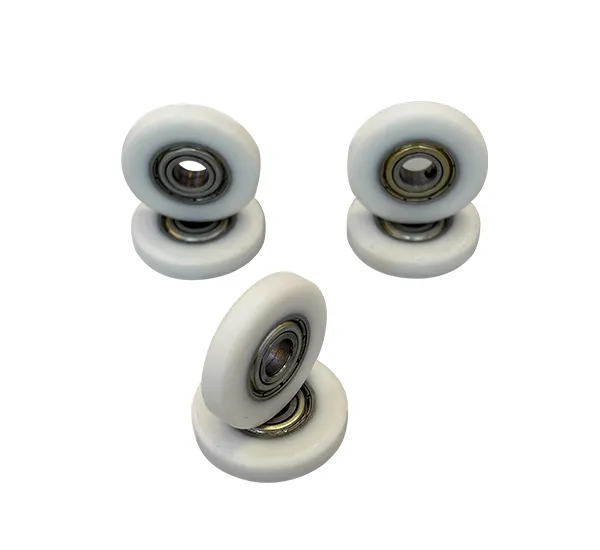
Wholesale buyers may need private-label logos, custom finishes, revised dimensions, private molds, custom labels, retail packaging or complete project kits. Ask the supplier to explain the process from requirement sheet to technical drawing, sample, pilot quantity and production release.
HIPAD states that it supports drawing-based OEM/ODM development, sample confirmation, material and finish adjustments, branding, packaging and private molds. Feasibility, tooling ownership, maintenance, MOQ, pricing and lead time require project-specific confirmation.
Architectural hardware may use stainless steel, aluminum, zinc alloy, brass, steel, engineering plastics, rubber and related materials. Ask for the material of visible and concealed parts, including fasteners, pins, cylinders, bearings, springs, gaskets and brackets.
Finish names such as satin, polished, brushed, matte black, anodized or plated are not complete acceptance standards. Approve a physical sample and record substrate, process, color, gloss, texture, visible surfaces and permitted marks. Disclose coastal, wet, chemical-cleaning, outdoor or high-traffic conditions before material selection.
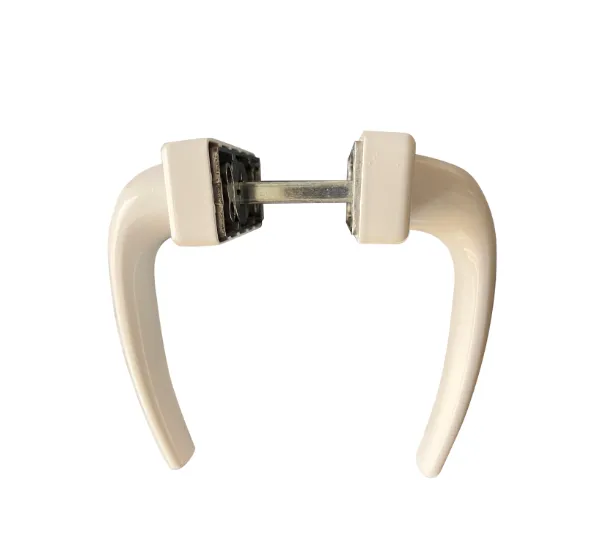
Compare quality evidence against the actual order risks. A useful inspection plan may include identity, quantity, dimensions, material, finish, interface fit, function, assembly, accessories, markings and packaging. Critical products should be fitted to a representative door, window, track or glass preparation before batch release.
HIPAD states that internal quality checks are used through production and that third-party providers such as SGS and Bureau Veritas may be involved when required. This does not mean every product carries a third-party certificate. If a project needs a test report, declaration or classification, specify the exact product and document scope.
ISO 9001:2015 describes quality-management-system requirements; it is not a product certificate. Separate quality-system information from product-specific inspection and compliance evidence.
Packaging should fit the way the goods are sold and installed. Distributors may need individual SKU cartons, while contractors may need opening kits, zone kits or phased project cartons. Specify model, finish, quantity, handing, label, barcode, carton sequence, accessory list, instruction sheet, moisture protection and spare-part separation.
HIPAD states that it supports batch production, inspection coordination, packaging planning and export-oriented supply for repeated orders and project delivery. Specific shipping timelines and Incoterms are not universal; request them in the quotation.
Retain the approved model, drawing revision, sample, material, finish reference, packaging artwork, inspection plan and original purchase order. Require notification before changes to material, subcomponent, tooling, finish process, production location, packaging or inspection method.
For distributors, a replacement code and clear product-family naming are as important as the first shipment. Without controlled references, a visually similar part may not fit the original door, window, glass or track system.
Ask for product-family coverage, standard and custom options, drawings, sample process, MOQ by model and finish, packaging, inspection, lead time assumptions and repeat-order controls.
HIPAD publishes door, window, glass, bathroom, stainless steel, sliding-system and accessory categories. Consolidation depends on model, production schedule, inspection, packaging and shipment planning.
Use the same requirement sheet and compare model scope, material, finish, tooling, samples, MOQ, packaging, inspection, documents, delivery and change control, not only unit price.
HIPAD supports OEM/ODM development, branding, custom finishes, packaging and private molds. Confirm feasibility, tooling, MOQ, pricing and lead time for the selected product.
No universal public MOQ is disclosed. Minimum quantities vary by product family, material, finish, tooling, packaging and order plan.
A strong wholesale inquiry includes the product categories, drawings or samples, interfaces, materials, finishes, quantities, MOQ expectations, branding, packaging, inspection, documents and delivery phases. This gives the supplier enough evidence to identify gaps before sampling and gives the buyer a reliable basis for comparing offers.
Póngase en contacto con HIPAD with your product list, drawings, samples, quantity plan, finish references, packaging requirements and target delivery for a project-specific review.
Allen Wang is CEO and Founder of HIPAD. He began his career in 1998 as a technical engineer in Qingdao, developing hands-on experience in manufacturing processes, tooling, mechanical components and product quality. His work with international distributors, door and window manufacturers, contractors and design-oriented brands covers product selection, material and finish matching, drawing-based customization, OEM/ODM development, private molds, packaging and system compatibility.
Responderemos en un plazo de 24 horas. Para solicitudes urgentes, contáctenos por WhatsApp/WeChat al +86 137 9191 8989 o llame directamente al mismo número.
*Respetamos la confidencialidad de sus datos y protegemos toda la información.
Solo utilizaremos su información para responder a su consulta y nunca enviaremos correos electrónicos ni mensajes promocionales no solicitados.